Storms in Norman don’t give much warning.
Conditions can change rapidly, with heavy rain, strong winds, and sudden pressure shifts impacting your home. After the storm, attention often turns to visible issues such as branches in the driveway, debris in the pool, or puddles in the garage.
Most homeowners begin cleanup with these visible tasks. However, surface cleaning rarely addresses the extent of long-term damage. At BISON Restoration Services, we assist homeowners throughout Norman, Oklahoma City, Moore, Edmond, Shawnee, and Yukon who believed the situation was resolved, only to discover ongoing issues.
How Storm Water Behaves Differently
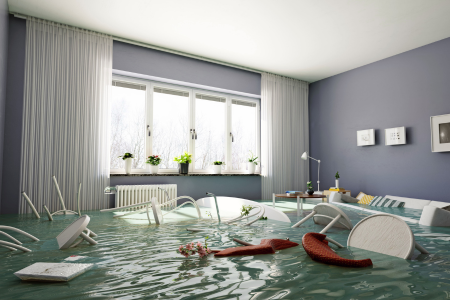
Stormwater behaves differently from a typical plumbing leak. It enters forcefully, often carrying outdoor contaminants, and can infiltrate your home through multiple points at once, including the roofline, window casings, siding gaps, and foundation.
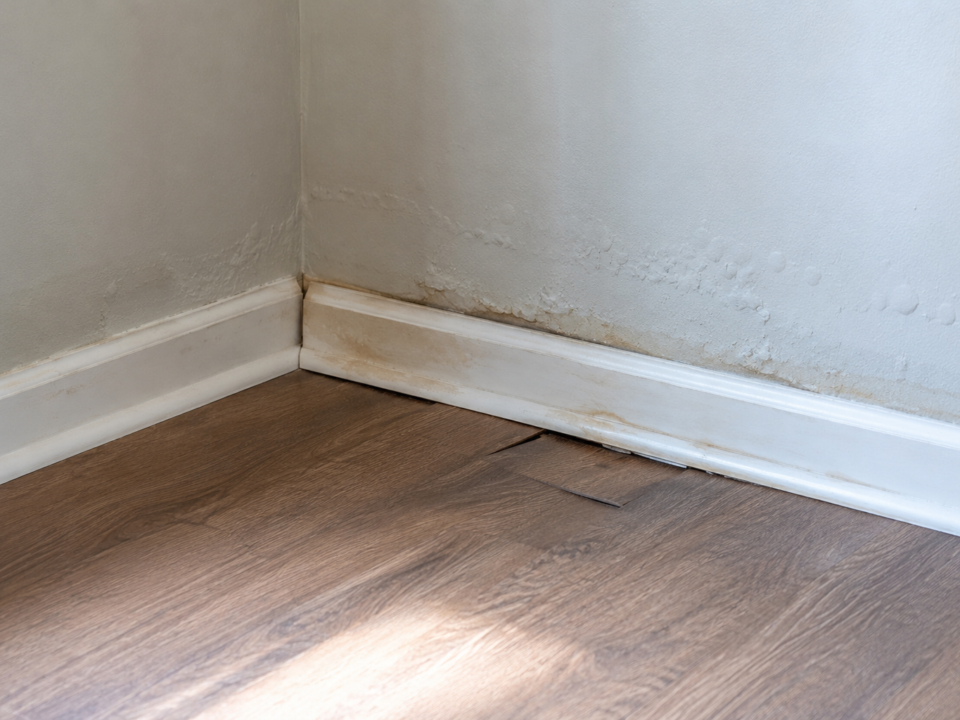
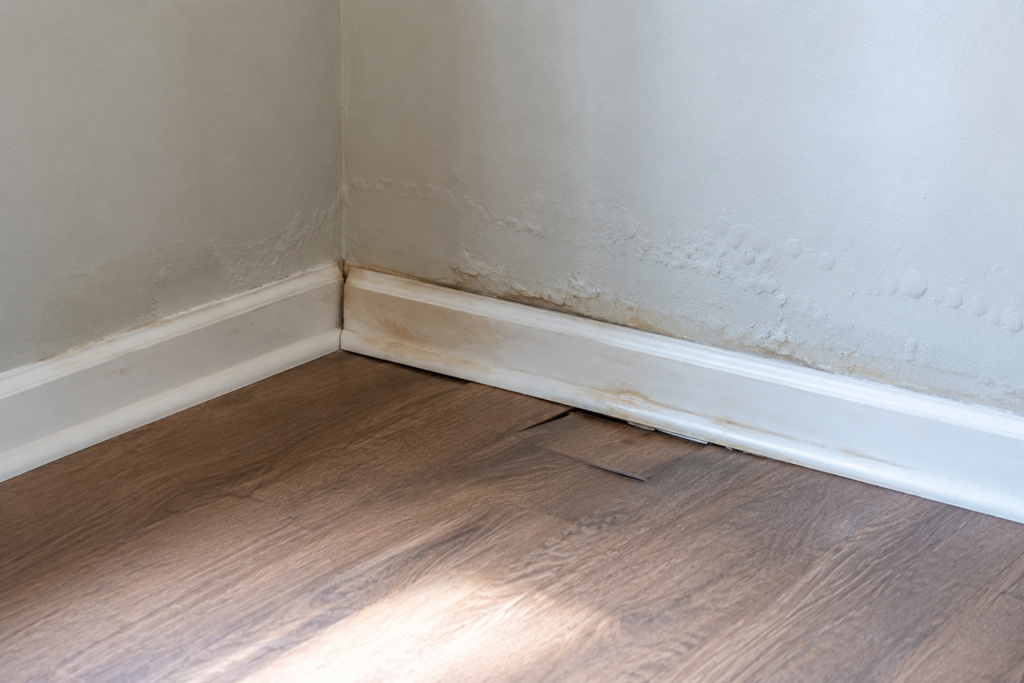
Once inside, stormwater spreads unpredictably. In Norman homes, especially those with open floor plans, water can move under hardwood floors or behind baseboards before any visible signs appear. By the time a paint bubble forms, water may have already traveled several feet through the subfloor or wall cavity.
The Hidden Threat of Wind-Driven Rain
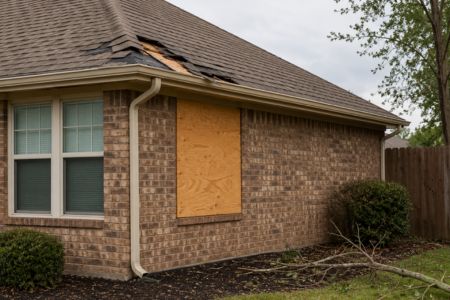
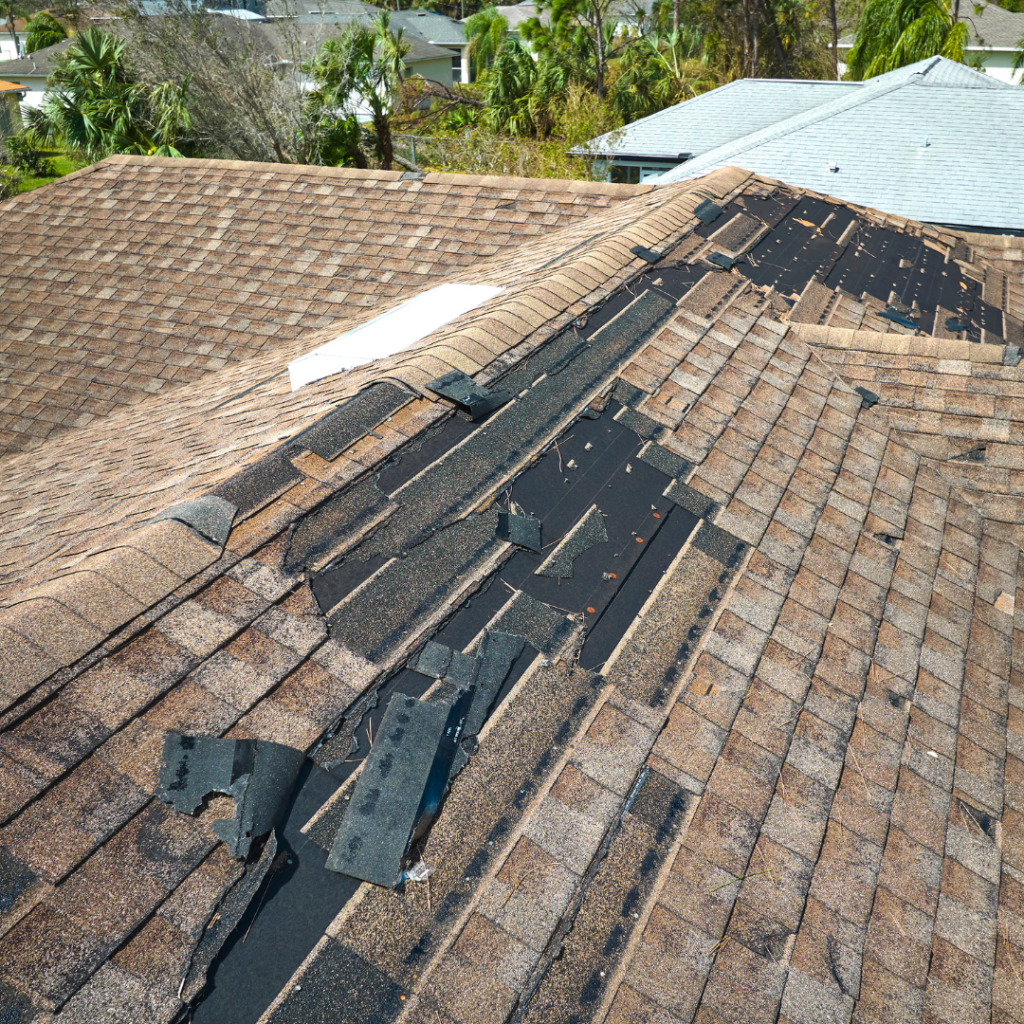
Not all storm damage results from standing water. Wind-driven rain is common in the Oklahoma City metro area. When strong winds force rain at sharp angles, moisture can enter vents and gaps that are typically protected.
This moisture settles behind your siding, around window frames, and under roofing shingles. These entry points don’t leave a “flood” on your floor, but they allow moisture to build up slowly within the structure. Hours or even days later, the structural materials begin to react.
Dry vs. “Actually Dry”: Why the Touch Test Fails
After an Oklahoma storm, surfaces can feel dry to the touch relatively quickly. Your carpet might feel fine, and your walls might look clean. That does not mean your home is dry.
Moisture remains trapped in the “sandwich” layers of your home:
- Between the subfloor and the floor covering.
- Inside the fiberglass insulation behind your drywall.
- Within the sill plates of your wall framing.
In Norman’s humid post-storm climate, trapped water does not evaporate on its own. This lingering moisture often leads to the secondary damage homeowners fear most.
When Storm Cleanup Turns Into Structural Restoration
The initial concern is water intrusion; the next is the aftermath. If moisture is not removed with professional-grade equipment, it can result in:
- Material Weakening: Drywall loses its integrity and sags.
- Warping: Hardwood floors “cup” or “crown” as they absorb moisture.
- Mold Growth: In the Oklahoma heat, mold can begin to colonize in as little as 24 to 48 hours.
A simple storm cleanup can quickly escalate into a complex mold remediation or structural repair project. This is often when BISON is called to address unresolved issues.
The BISON Restoration Process
Our team does more than dry surfaces. We apply a scientific approach to storm recovery:
- Thermal Imaging: We use infrared technology to “see” moisture behind walls without tearing them down.
- Structural Drying: We use industrial dehumidifiers and air movers to remove moisture from deep within the home’s structure.
- Contamination Control: We treat areas affected by outdoor grey water to maintain a healthy environment in your home.
A Common Norman Scenario
This scenario is common: a storm passes overnight, and the next morning, the homeowner cleans up a small puddle by the back door. Within days, a musty odor develops, or floorboards begin to creak and lift. By that point, water has already saturated the subfloor.
Protect Your Home Before the Damage Spreads
If your home feels different after a storm, such as a new odor, a soft spot on the ceiling, or increased humidity, do not wait. Storm damage often develops quietly, and early intervention is essential to prevent extensive material loss.
BISON Restoration Services provides expert storm damage cleanup throughout Norman, Moore, OKC, and the surrounding areas.
Contact our local team for a professional inspection:
- Call Now: (405) 225-2024
- Visit Our Website: BISON Restoration Services
- Find Us on Google: View Our Business Profile
Addressing storm damage promptly and correctly today prevents it from becoming a major restoration project in the future.