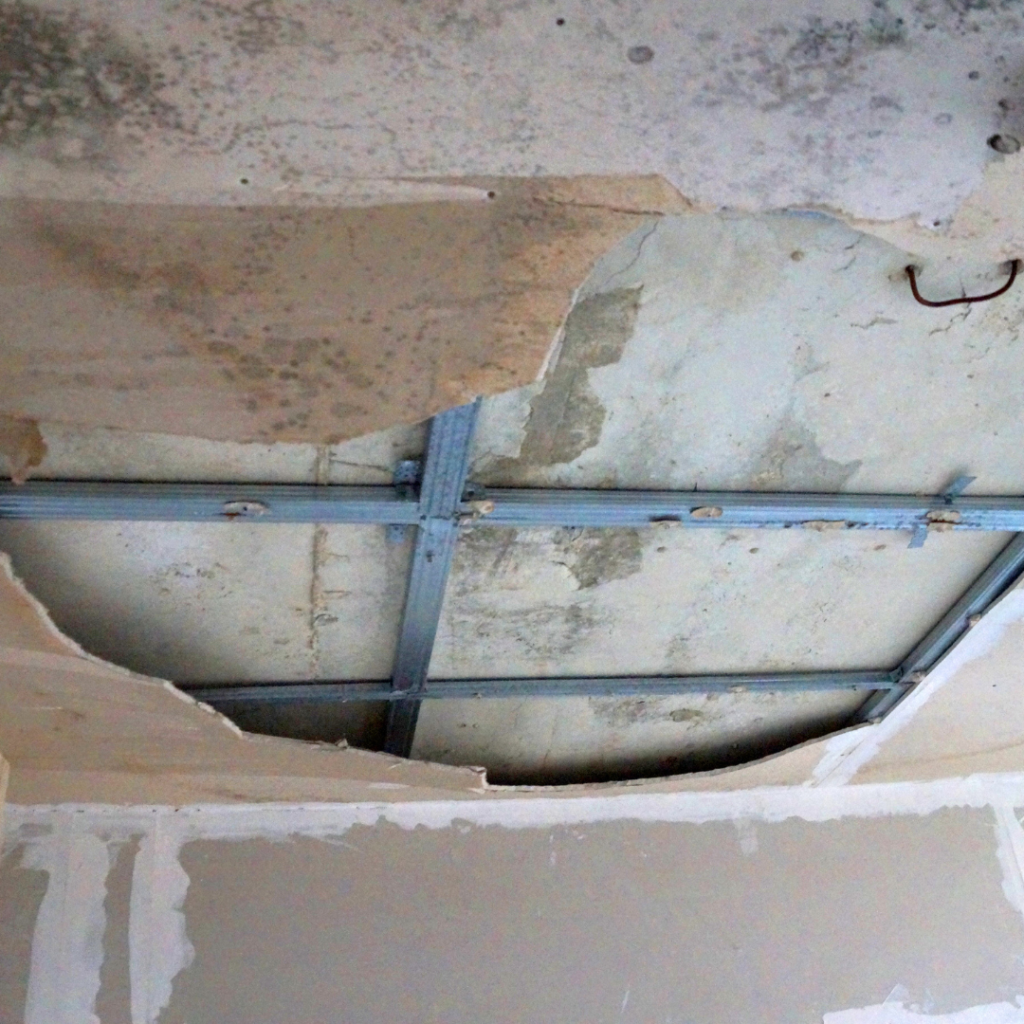
Storm season in central Oklahoma has a way of testing homes. High winds, sudden downpours, and fast-moving weather systems can turn an ordinary afternoon into a stressful situation for homeowners.
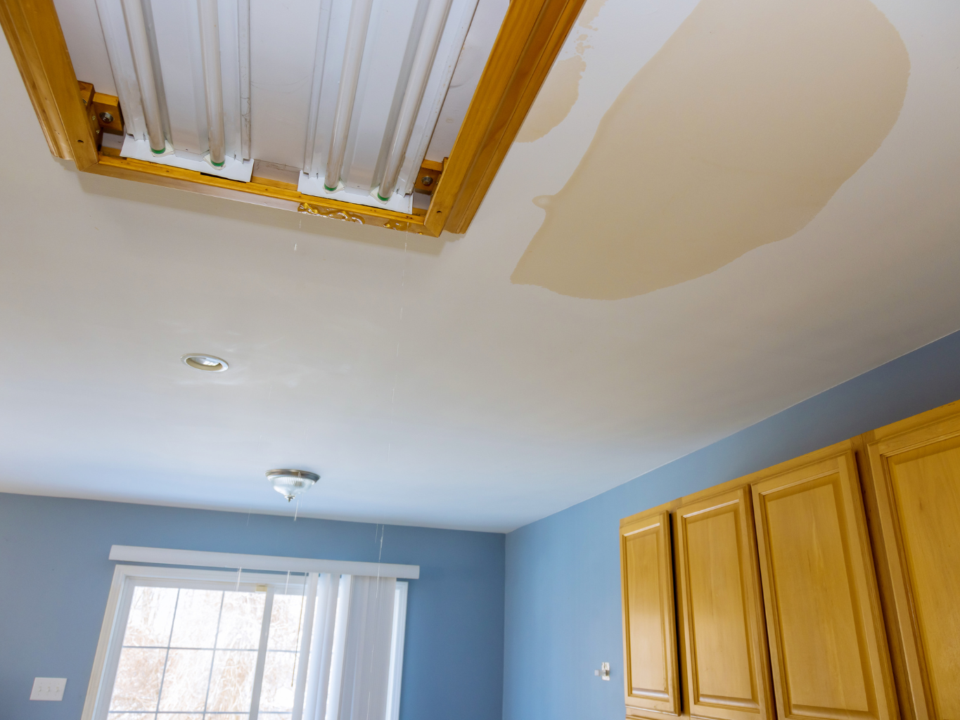
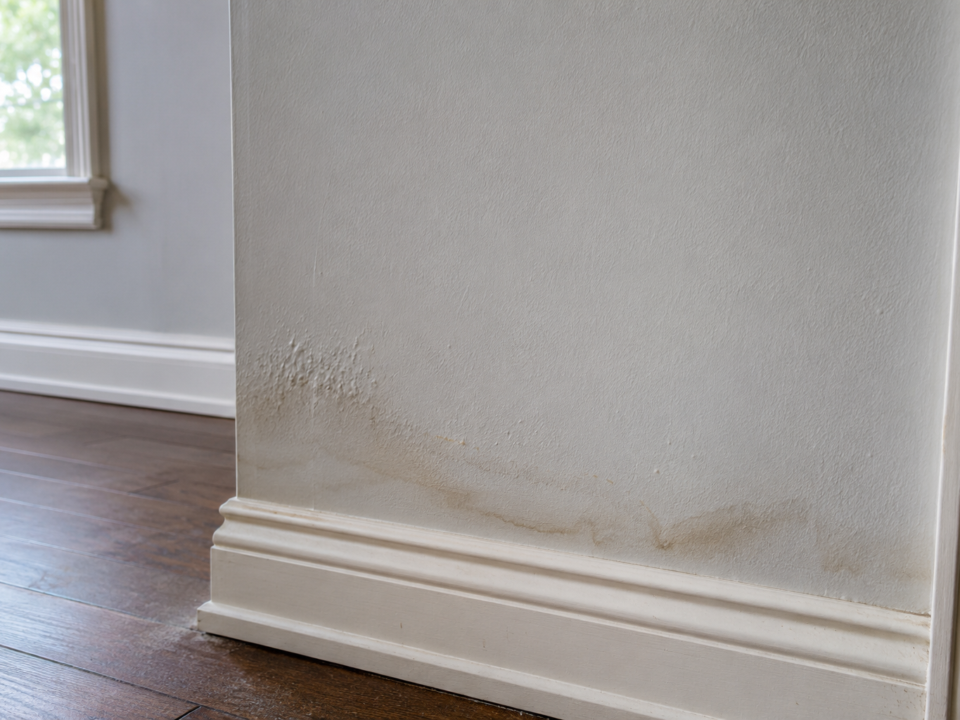
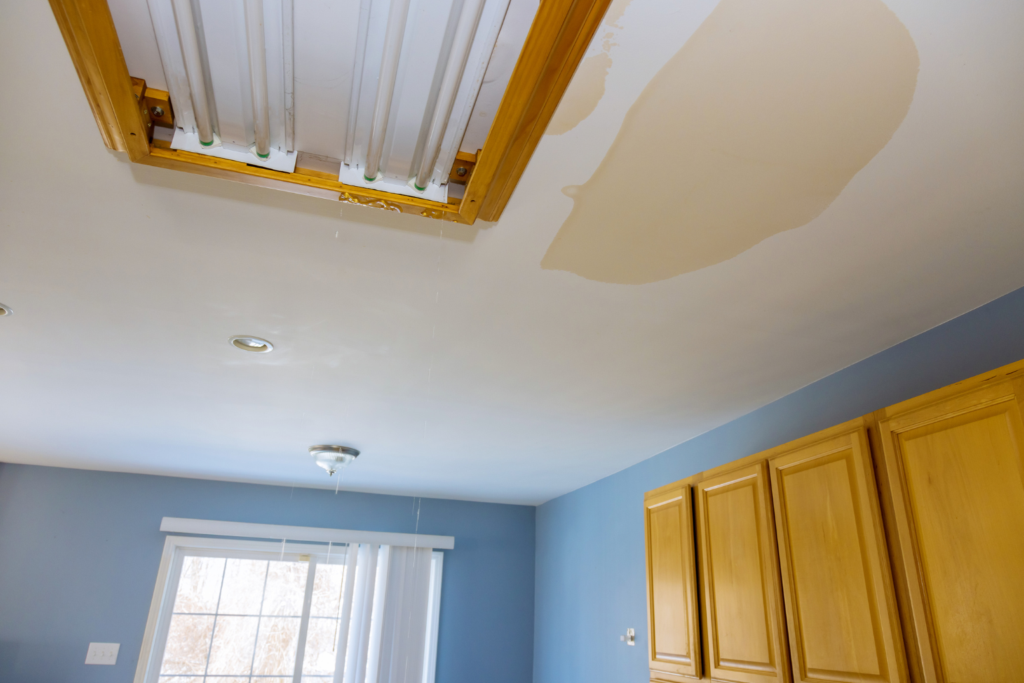
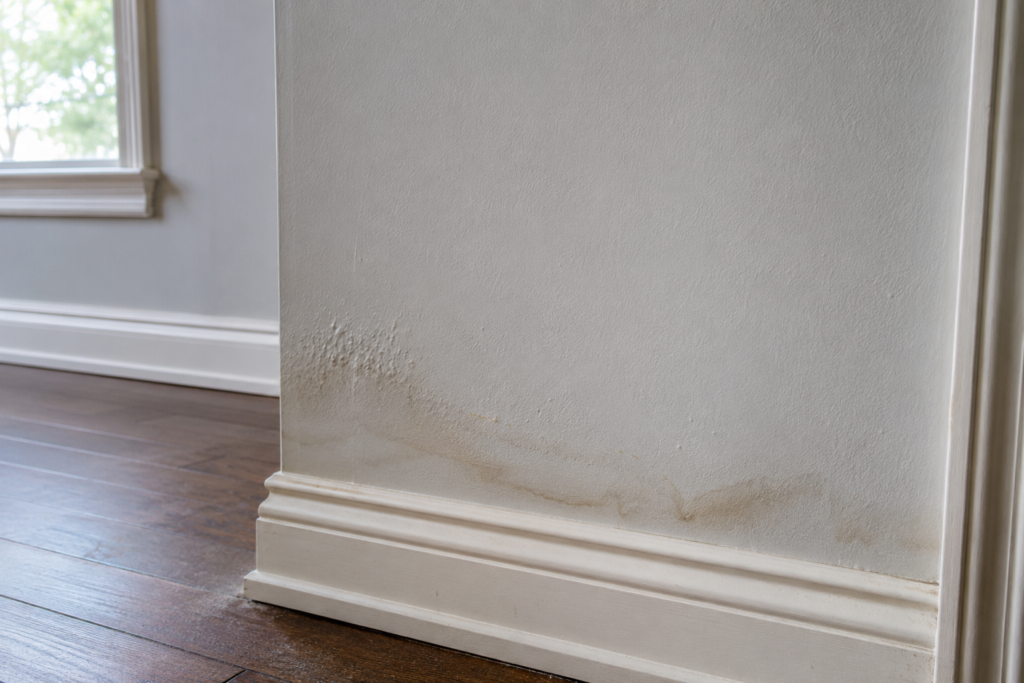
In Oklahoma City, our crew at BISON Restoration Services often gets calls after storms, with the first sign of trouble being a ceiling stain that appears hours after the rain stops. At first, it may look like a faint yellow mark. Sometimes the drywall begins to bubble slightly, or the paint starts separating from the surface.
By the time those signs appear, water has already traveled through several layers of the home.
Homes across Oklahoma City, as well as in nearby communities such as Edmond, Moore, Norman, Shawnee, and Yukon, often experience wind-driven rain during storm systems. When that rain finds a small weakness in roofing or flashing, moisture can enter the attic without being noticed right away.
How Storm Water Works Its Way Through a House
Most roof leaks do not immediately drip into the room below. Instead, water usually enters the attic first.
Once inside, the insulation begins absorbing the moisture. Because insulation holds water like a sponge, the leak may go unnoticed until the material becomes saturated enough for water to flow downward.
Eventually, the moisture reaches the ceiling drywall.
That’s when homeowners start seeing visible stains or discoloration.
In Edmond and Yukon, attic spaces are often large enough for water to spread before reaching a ceiling seam. Norman and Moore homes with complex rooflines may allow rain to enter vulnerable areas, such as vents or flashing.
Even structurally sound homes in Shawnee can experience leaks during storms with strong winds pushing rain beneath shingles.
Why Quick Drying Is Important
Once water reaches drywall, framing, or insulation, it begins interacting with the building materials that hold the structure together.
Drywall can soften as it absorbs moisture. Wooden framing may begin pulling water upward through capillary action. If moisture remains in these materials, it can also create conditions for mold to develop.
Our technicians at BISON Restoration Services frequently find that water from a roof leak has spread farther than the original ceiling stain suggests.
This is why professional moisture detection is often necessary after storm-related water damage.
How Water Damage Restoration Works
When our team arrives at a home, we begin by identifying where the water entered and how far the moisture has traveled.
Using moisture-detection tools, technicians check the surrounding walls, attic insulation, and the flooring beneath the affected area. Water often spreads along framing or drywall seams before becoming visible.
Once the moisture has been mapped, the restoration process begins.
Standing water is removed if present. Professional air movers and commercial dehumidifiers are then placed throughout the area to draw moisture from drywall, insulation, and wood framing.
Because homes throughout Oklahoma City, Edmond, Moore, Norman, Shawnee, and Yukon vary in design, the drying strategy is always adjusted to the property’s structure.
Preventing Future Storm-Related Leaks
While no home can be completely immune to severe weather, a few maintenance steps can reduce the risk of storm-related water damage.
Roof inspections after major storms can identify damaged shingles or flashing before another rain event occurs. Keeping gutters clear allows water to move away from the roofline rather than pooling near vulnerable areas.
Attic inspections can also reveal early signs of moisture before leaks reach the home’s interior.
These small steps often help homeowners catch issues before they turn into larger restoration projects.
Local Help When Water Damage Happens
Storm damage can affect homes quickly, especially during Oklahoma’s unpredictable weather patterns. Addressing moisture early helps protect structural materials and prevent additional problems.
Homeowners in these communities can contact BISON Restoration Services for water damage restoration, fire cleanup, and mold remediation.