In Norman, we know that storms don’t exactly knock politely. When a tornado system moves through, the damage isn’t just about a leaky roof or a broken window. These storms bring massive wind pressure that can actually lift rooflines and pull siding away from the seams just enough to let water in. It is a violent process that opens multiple pathways for moisture simultaneously.
Why Wind-Driven Rain is Different
Most people expect water to just leak down from a hole in the roof. But in a high-pressure storm, rain is driven horizontally. It gets forced into wall systems, pushed into attic vents, and shoved under roofing materials.
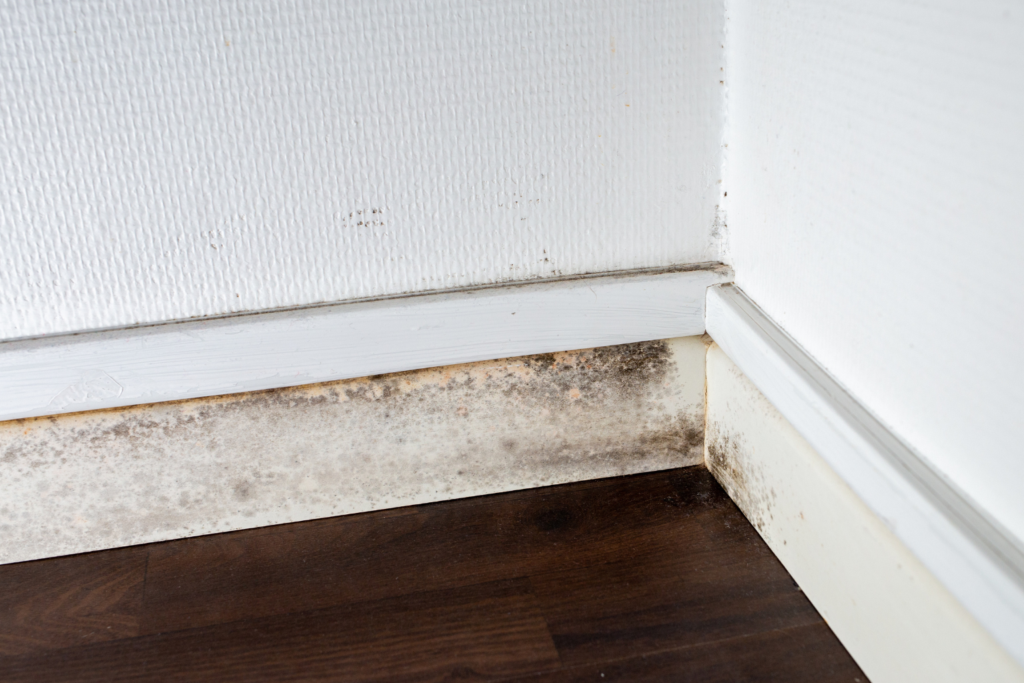
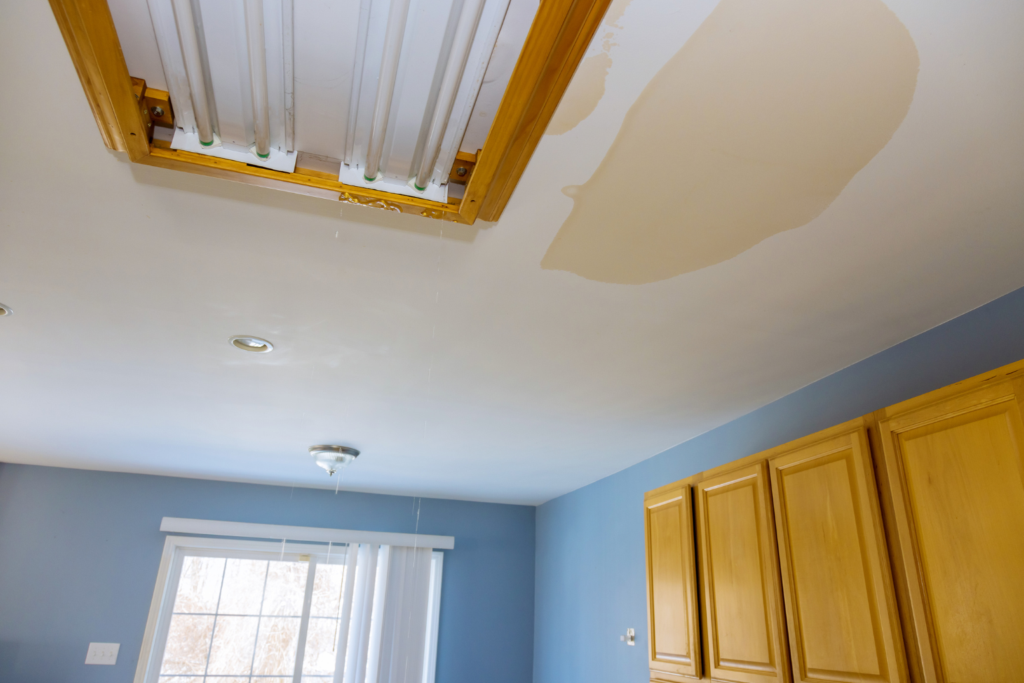
In our Oklahoma homes, which are often built on solid concrete slabs, that water doesn’t just stop when it hits the floor. It slips under your hardwood or laminate and starts moving sideways into other rooms. By the time you see a small stain on your ceiling or a damp spot on your carpet, that water has likely already traveled through several hidden layers of your home.
The Invisible Pressure Cooker
At BISON Restoration, when our crews respond to storm calls, we often find that the visible damage is just the tip of the iceberg. Tornado systems create a rapid shift in air pressure that can bypass your home’s natural seals.
Even if your windows stayed intact, that pressure can force moisture into your soffits and wall transitions. During our inspections, we frequently uncover:
- Saturated Attic Insulation: Even if the roof looks okay, wind can blow rain through the vents, soaking the pink fiberglass or cellulose insulation.
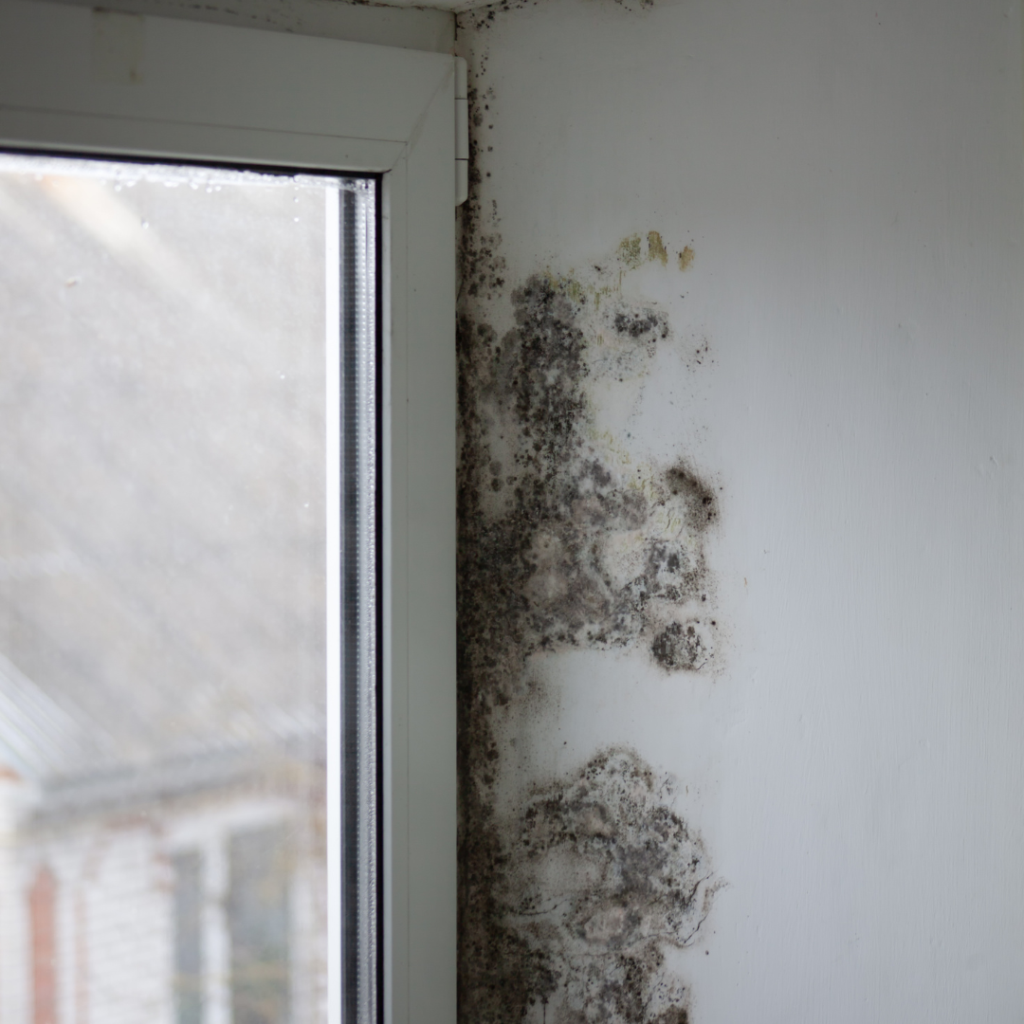
- Hidden Wall Moisture: Water enters through exterior seams and collects in the wall cavity, where there is no airflow.
- Storm Debris: This isn’t just “clean” rain. It carries fine dust, insulation fragments, and organic material that settle deep into your home’s “bones.”
The “Heavy” Air After the Storm
Once the clouds clear and the sun comes out, your home might still feel unsettled. You might notice the air feels heavy or smells earthy even in rooms that didn’t get wet. This happens because the structure is trying to “off-gas” the moisture it absorbed.
Because the water was forced in under high pressure, it is deeply embedded in the wooden studs and the subfloor. As that moisture slowly returns to your indoor air, your humidity levels spike. The house isn’t stable yet. It is still reacting to what the storm forced into it.
Rebalancing Your Home
Fixing a home after a tornado-driven event isn’t just about patching a roof. It is about resetting the entire environment. We have to address both the water and the effects of that intense air pressure.
Opening the Dead Zones
Our first step is to give that trapped air a way out. We carefully open areas like attic corners and wall cavities that don’t naturally ventilate. This lets the trapped humidity escape, so it doesn’t lead to mold growth later on.
Strategic Structural Drying
We don’t just point fans at the walls. We use a precise two-part approach:
- Directed Airflow: We force air into the exact spots where the wind pushed the water—under the floors and behind the trim.
- Controlled Dehumidification: We gradually remove moisture from the materials. We do this carefully so we don’t put extra stress on the wood or drywall.
True Recovery Means Stability
In my experience working here in Norman, a home isn’t “recovered” just because the puddles are gone. It is recovered when the structure has fully released every drop of water the storm forced into it.
We know the job is done when your moisture levels are consistent from the attic down to the slab. When the air feels light and the materials are dry, your home is no longer reacting to the storm. It is back to being the stable shelter it was built to be.