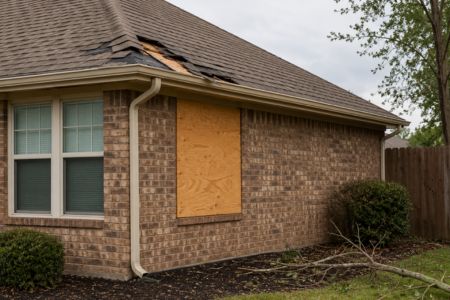
When severe storms roll across central Oklahoma, almost everyone heads outside the minute the rain stops. People walk around their yard to check for torn shingles, dented gutters, cracked windows, and broken tree branches. That makes sense, but focusing only on the outside leaves out a huge part of the problem.
Strong storm winds can easily push rain right through weak spots on a roof. When shingles lift, or metal trim pulls loose, gallons of water can soak through the roof plywood in just a few minutes. That water then drips onto attic insulation and pools behind drywall long before anyone sees a leak in the living room ceiling.
Staying safe after a storm is always the top priority. The National Weather Service severe weather safety guidelines warn people to stay away from downed power lines, broken tree limbs, and damaged buildings. Never climb onto a steep or slick roof to check for damage yourself. Take pictures from the ground where it is safe, and then head inside to see what happened indoors.
How Rain Moves Through a House
Water coming through a damaged roof rarely drips straight down. Gravity pulls it along roof beams, pipes, wires, and plywood seams until it reaches a low spot, an attic floor, or a light fixture.
If you only look at the ceiling directly under a missing shingle, you might miss where the water actually went. If you have an attic and can walk in it safely without stepping off the wooden framing, look for wet yellow or pink insulation, dark stains on the underside of the roof boards, and damp wood beams.
Down in your everyday living spaces, watch for these common signs of hidden water:
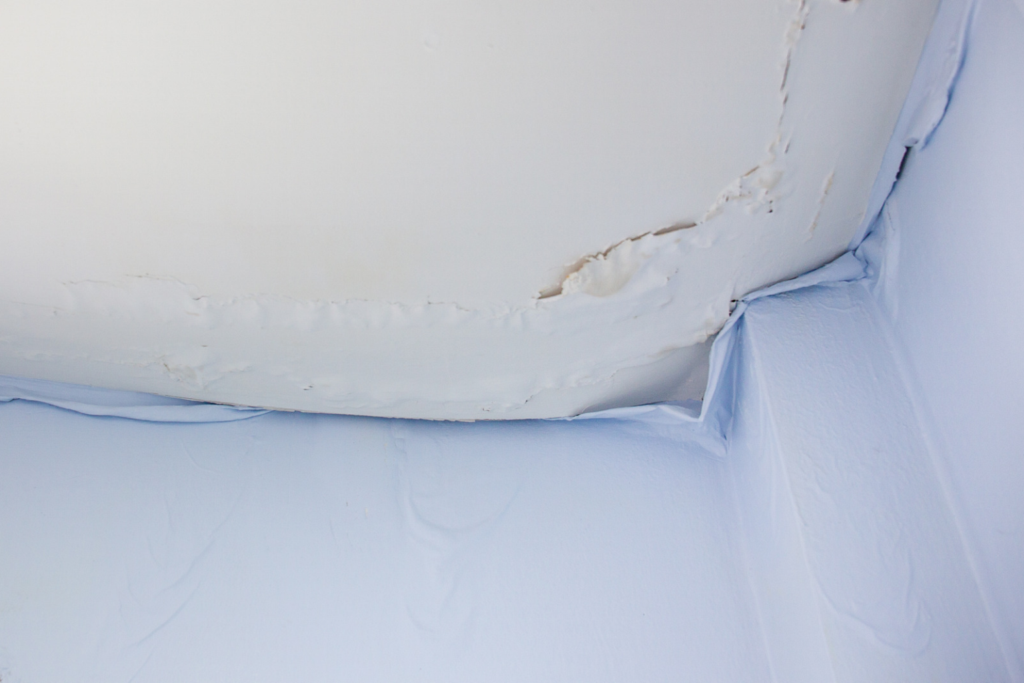
- Sagging ceilings: Rainwater can gather on top of ceiling drywall, making it sag like a heavy pouch that could break open.
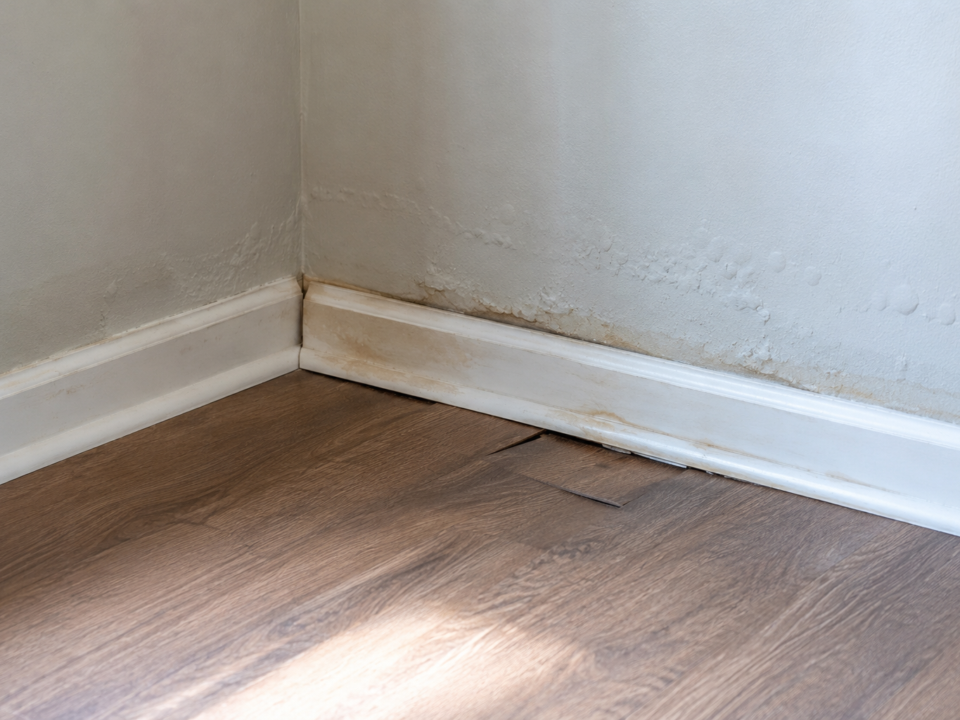
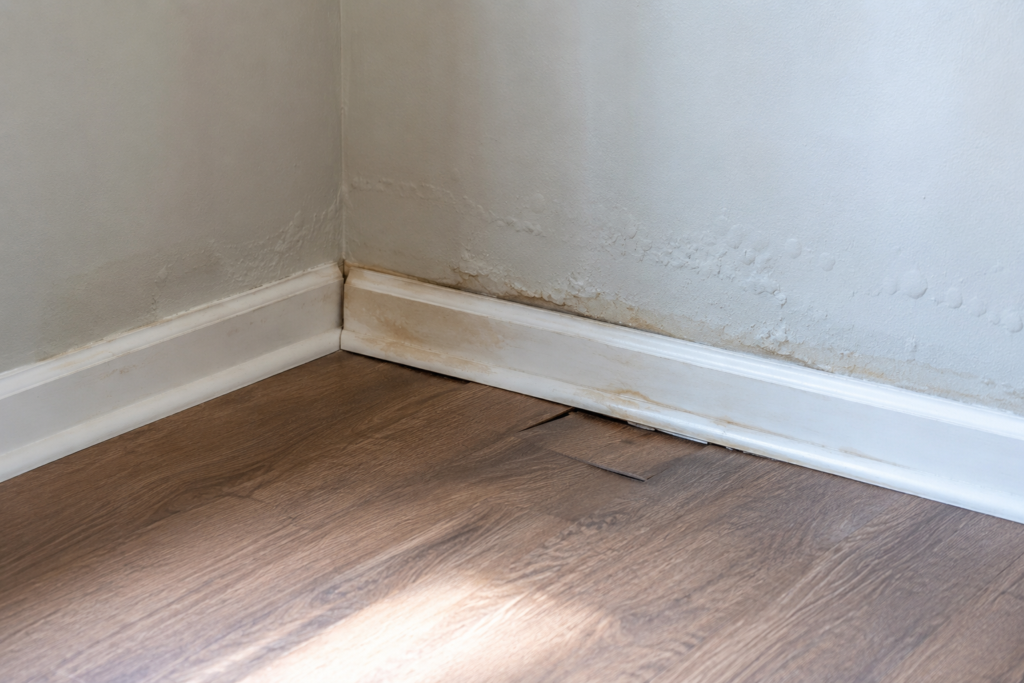
- Stained baseboards: Water running down the inside of an exterior wall often pools at the floor, soaking the bottom wood trim and carpet pad.
- Bubbling paint: Wall paint can trap water like a balloon, creating soft blisters on the drywall.
- Musty smells in closets: Small, closed-off spaces like bedroom closets often trap humid air when the insulation directly above them gets soaked.
Finding hidden water behind walls usually takes special diagnostic tools. Our restoration team uses infrared cameras to spot cold, wet areas and moisture meters to test building materials without cutting holes in your walls.
Securing Your Home and Preventing More Damage
Keeping more rain out is crucial while you wait for roofers to make permanent repairs. Covering a damaged roof with a heavy tarp or a broken window with plywood can help keep future rainstorms from soaking the house again.
Make sure to keep a good record of your emergency steps:
- Take photos first: Snap clear photos and videos of wet rooms, damaged items, and water leaks before cleaning anything up.
- Save your receipts: Keep all receipts for tarps, wood, and emergency supplies so you can share them with your insurance adjuster.
- Do not throw big items away yet: Keep wet furniture and ruined belongings until your insurance company takes a look, unless they are unsafe to keep around.
Big storms often bring wind, hail, and flying branches all at once, which means a house can suffer several kinds of damage at the same time. Our crew provides full water damage restoration services to help OKC-area homeowners dry out their property and stabilize everything.
Why Drying the Structure Comes Before New Paint and Drywall
Once the storm clears, it is tempting to jump straight into hanging new drywall, repainting ceilings, or laying down fresh carpet. But putting up new finishes before the wooden wall studs are completely dry can cause major headaches down the road.
Moisture trapped inside a closed wall breaks down the drywall core and creates an ideal environment for mold to start growing in just one to two days. Also, rainwater washing off a dirty roof carries dirt, grit, and germs from the outdoors down into your home, meaning it needs proper cleaning instead of just a quick wipe with a towel.
Our restoration crew sets up commercial dehumidifiers and heavy-duty air movers to pull moisture out of the air and deep out of the wood framing. We track moisture levels with digital meters daily until the studs and floorboards return to normal, safe levels.
If a recent storm damaged your roof or sent rain into your living spaces, getting the water out quickly keeps small problems from turning into major repairs. Call our local team at (405) 225-2024 to talk with a specialist. You can also read our customer reviews on our Google Business Profile to see how BISON Restoration Services helps homeowners across Norman, Oklahoma City, Moore, Edmond, Yukon, and Shawnee get their homes dry and safe again after severe weather.