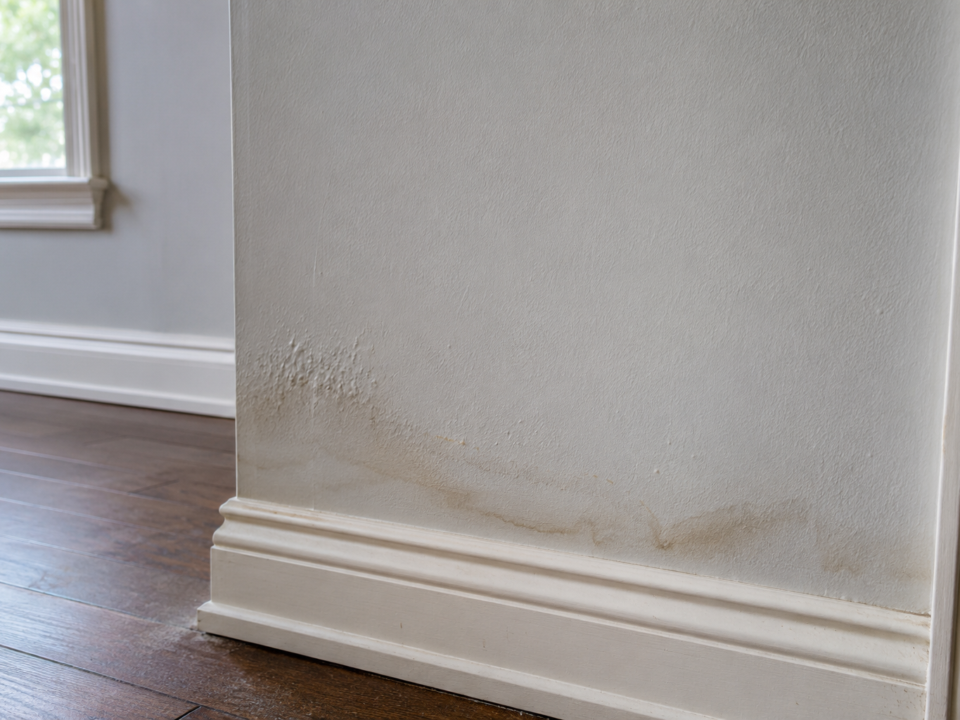
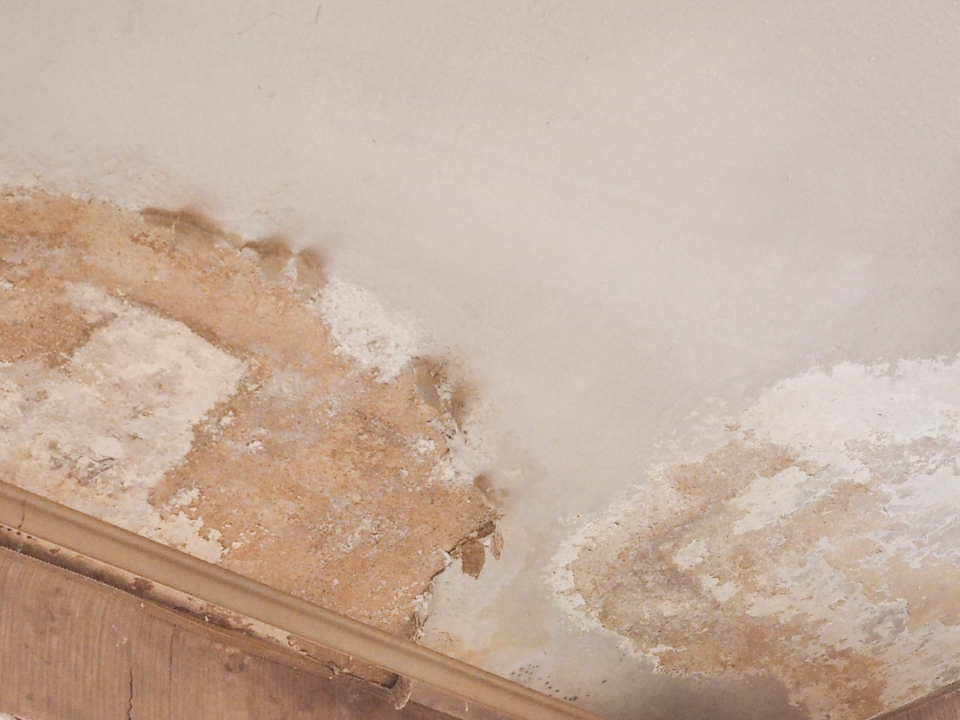
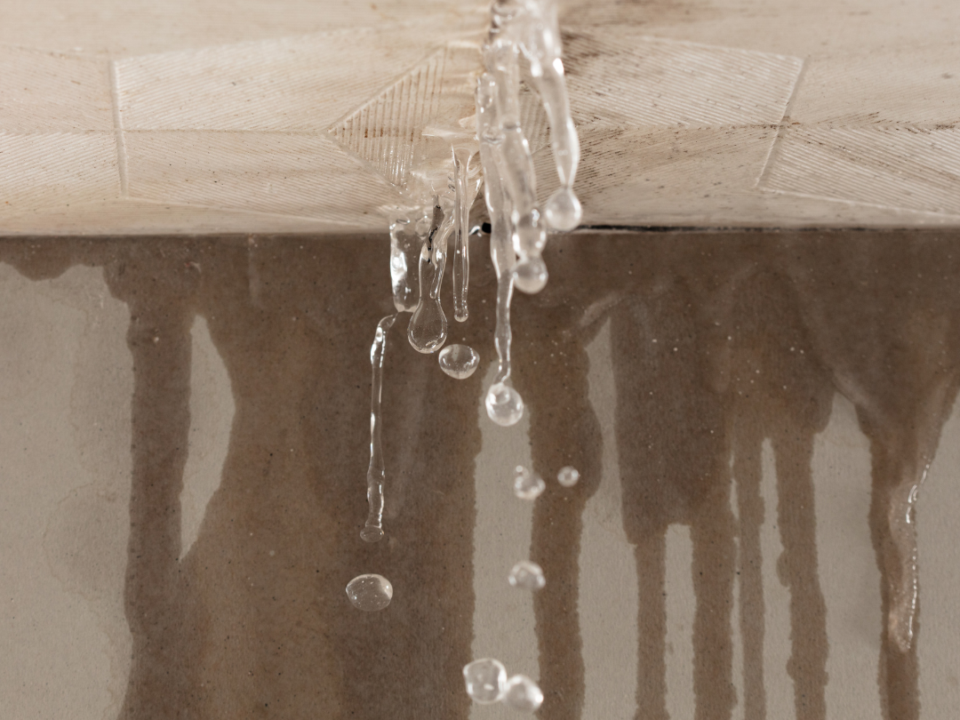
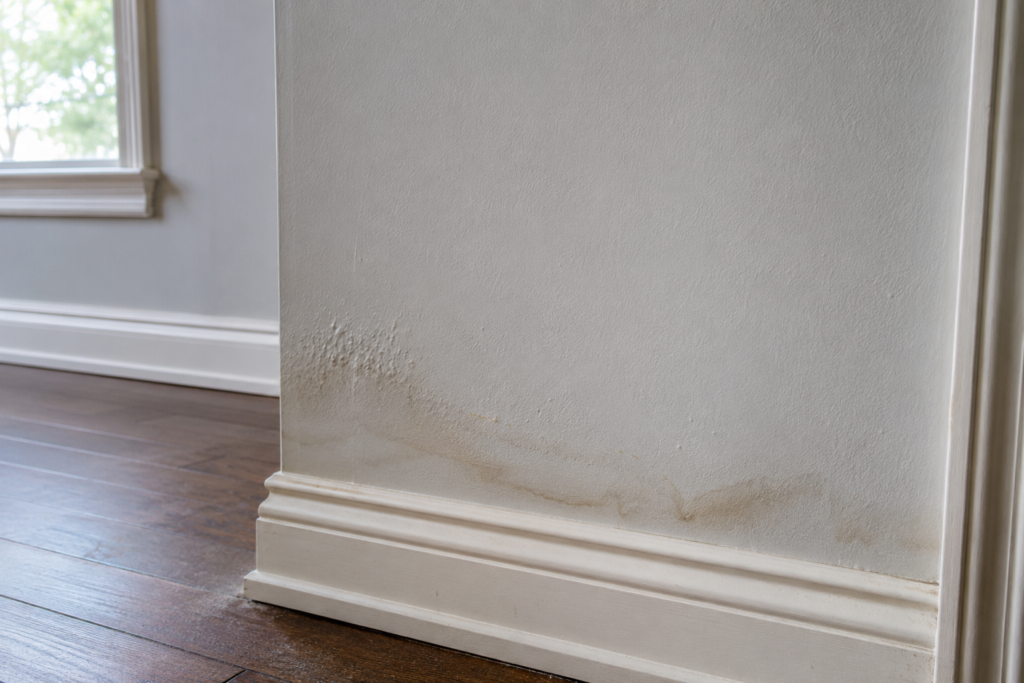
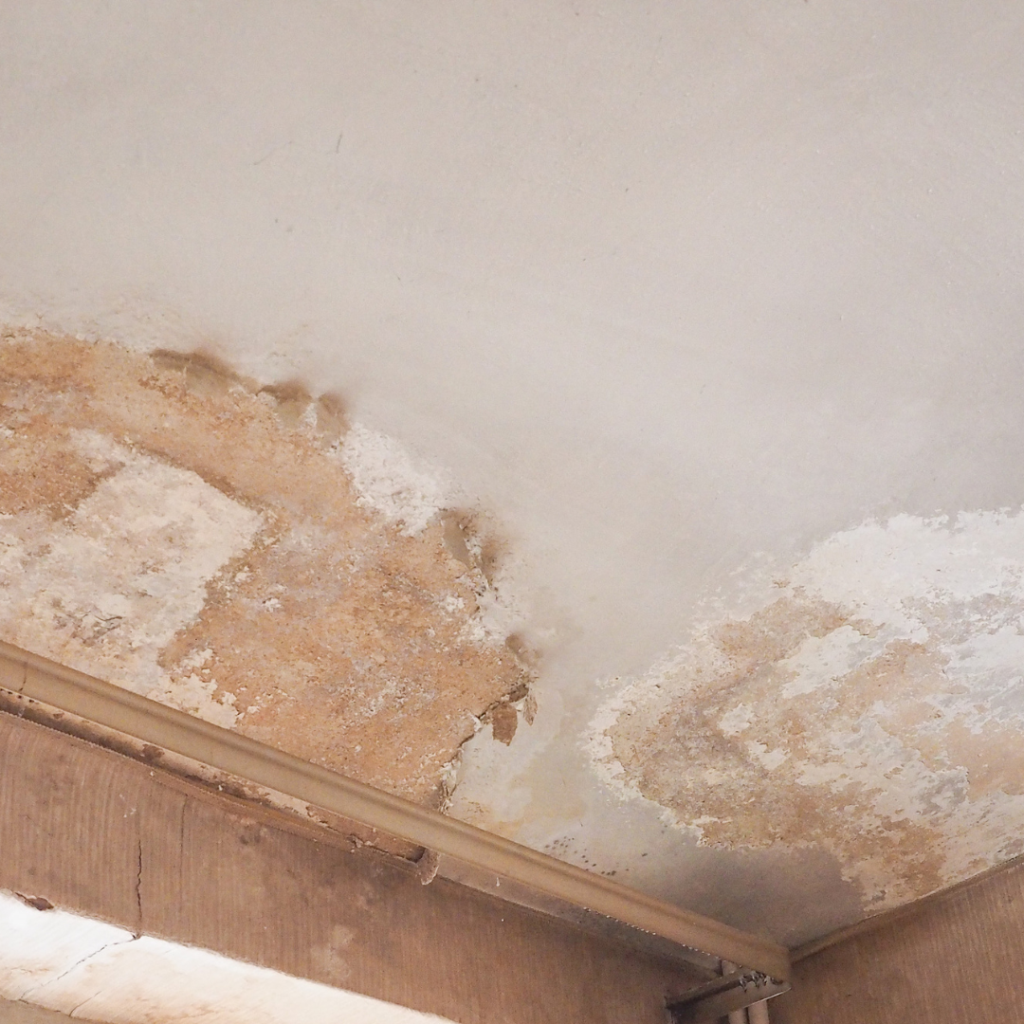
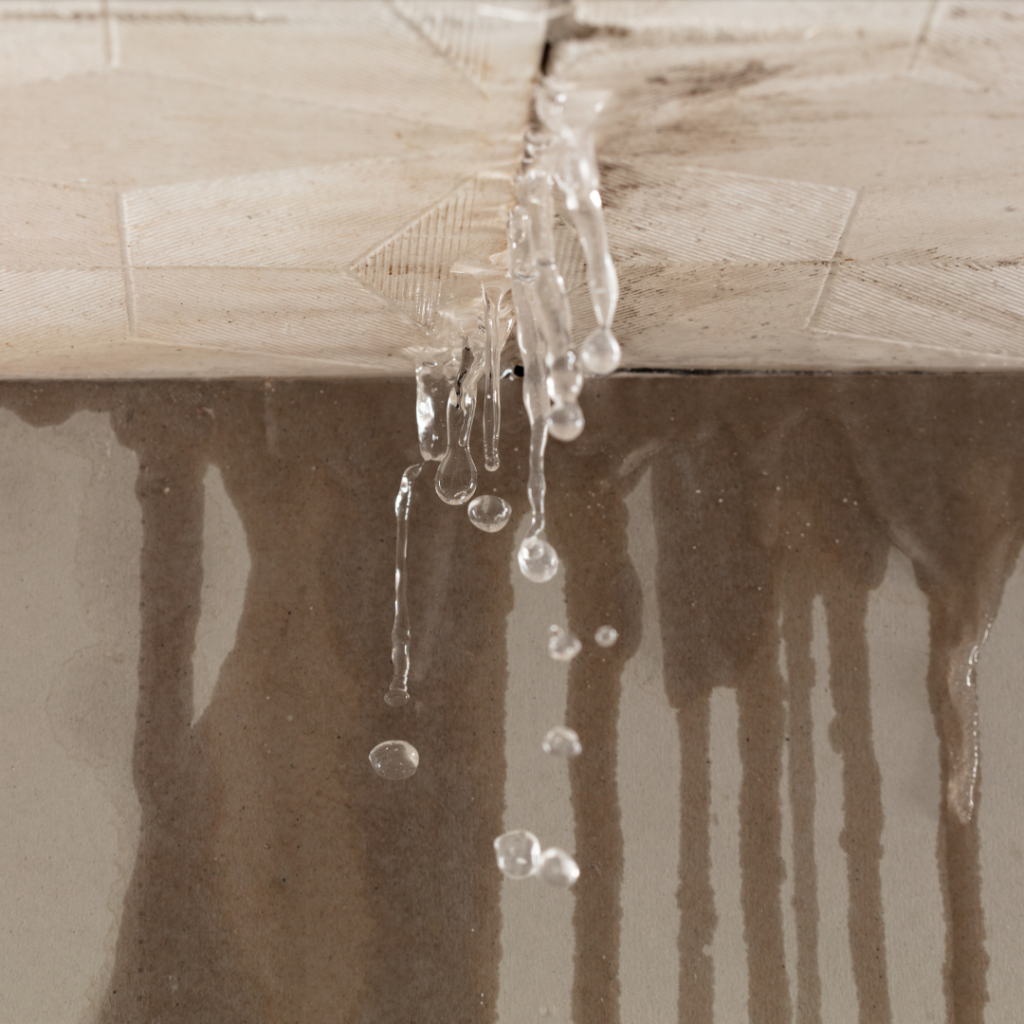
A large plumbing loss can quickly change a building. Water can move across a room, through doorways, under flooring, and into wall materials before the source is shut down. In a commercial property, it may also reach inventory, equipment, tenant spaces, or common areas. The first hour is about control; the next phase is about understanding the extent.
BISON Restoration Services provides water damage restoration in Oklahoma City and surrounding communities. Its service information describes inspection and documentation, mitigation planning, cleanup, restoration, and repairs, with experience serving both homes and businesses.
The Source Is Only Point A
Stopping a broken pipe or a failed appliance line is essential, but it only tells you where the water began, not where it ended. Gravity, absorbent materials, seams, and openings determine the rest of the route.
A moisture assessment can identify areas that deserve drying or access. This is particularly important when water has reached wall cavities, carpet systems, cabinetry, or flooring assemblies. The exposed surface may improve quickly while concealed material remains wet.
BISON’s website at https://gobison.us/ lists water damage restoration among its core services and describes a process that includes inspection, documentation, planning, mitigation, and repair.
Large Losses Create Logistics as Well as Drying Problems
In a home, the challenge may be moving furniture and protecting unaffected rooms. In a business, the same water loss can interrupt customer access, employee work areas, inventory storage, or tenant operations.
That makes the restoration plan partly operational. Which areas must be isolated? What contents need to be moved? Can part of the building remain in use? Which work needs to be done first to prevent damage from spreading?
The answers vary by property, but thinking about operations early can reduce unnecessary disruption.
Extraction Is the Fast Part
Removing standing water can produce dramatic visual progress. Structural drying is slower because moisture has to leave materials and be removed from the air.
Air movers and dehumidification equipment can create controlled drying conditions, while moisture readings show whether materials are moving toward an acceptable endpoint. The process should be adjusted to the building rather than left unchanged simply because equipment is already in place.
Some materials may need to be removed when they are damaged or block access to wetter assemblies. Others may be candidates for in-place drying.
Documentation Makes the Scope Easier to Defend
BISON describes inspection and documentation as an early part of its process, including work that can support insurance claim handling. Photographs, moisture information, notes about damaged materials, and a clear restoration plan help explain why work is being performed.
That record is especially useful on a larger loss where several rooms or departments may be affected differently.
Repairs Should Follow the Drying Evidence
A building can look nearly normal before it is ready for new finishes. Replacing flooring, closing walls, or painting should occur after the source has been corrected and affected materials have dried or been removed, as appropriate.
The purpose of water damage restoration is not merely to make the puddle disappear. It is to move the property from an uncontrolled water event to a documented, dry basis for repair.
Oklahoma City property owners should also distinguish between water that is merely inconvenient and water that creates additional safety or contamination concerns. A clean plumbing release presents a different cleanup question from water affected by sewage or outdoor flooding. Electrical equipment, wet ceiling materials, and unstable finishes can also change where people should be allowed to walk or work. Those conditions are reasons to control access until the affected area has been evaluated rather than rushing into cleanup simply because operations need to resume.
For residential losses, that may also mean creating a dry route through the home, so family members are not walking through work areas or moving drying equipment. For commercial losses, access planning can include customers, deliveries, and employees. These details are not separate from restoration; they influence how safely and efficiently the drying plan can operate.
For water damage restoration in Oklahoma City, call BISON Restoration Services at (405) 225-2024. The company’s Google Business Profile is https://maps.app.goo.gl/gkWTnUFK5fFzC2wC7.