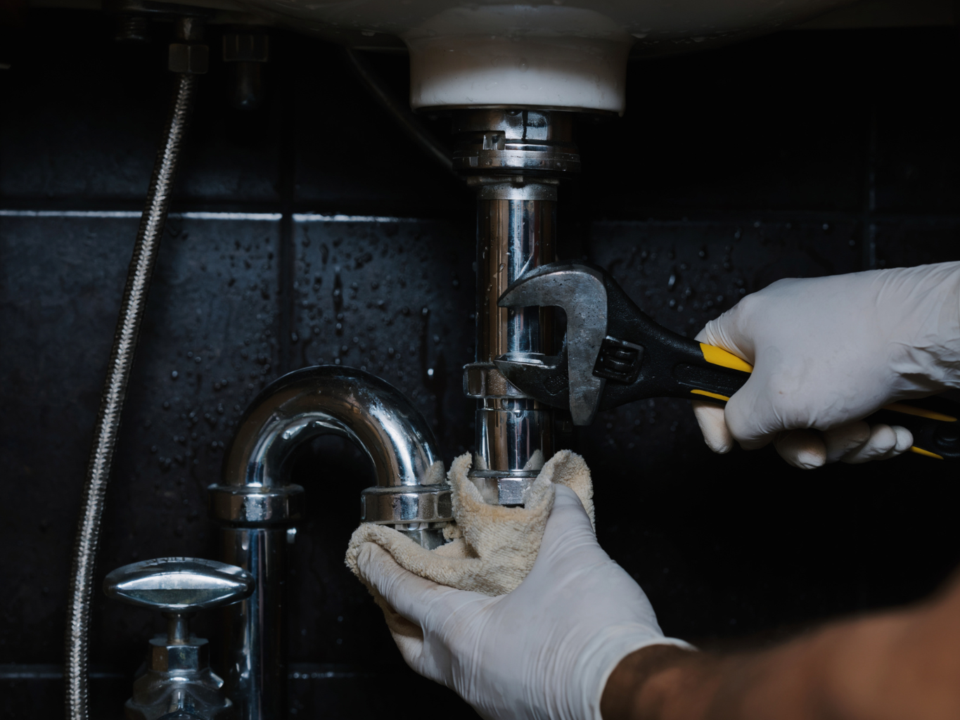
A ruptured washing machine hose, a cracked ice maker line, or a failing water heater tank can release tens of gallons across your living space in minutes. Most Oklahoma City property owners’ first instinct is understandable: grab every towel in the closet, start mopping, and try to wipe up the standing water as quickly as possible.
Cleaning the visible puddle helps, but surface water tells only part of the story. Liquid travels along the path of least resistance, slipping under baseboards, soaking into bottom plates, and migrating beneath finished floors into subflooring. Addressing a sudden plumbing break requires clear thinking about personal safety first, followed by careful moisture tracking before cosmetic repairs begin.
Prioritize Safety Over Speed
Before entering any flooded room, pause and assess the surroundings. Water conducts electricity readily, and entering a saturated space where water reaches baseboard outlets, dropped cords, or utility room equipment creates an immediate shock risk.
If your electrical panel is dry and you can reach it without walking through standing water, switch off the breakers serving the flooded zones. If you cannot reach the breaker panel safely, keep your family and pets out of the room entirely until assistance arrives.
Once the electrical environment is secure, turn off the water supply. If the leak stems from a specific fixture, such as a toilet or bathroom sink, turn the oval stop valve behind the unit clockwise until tight. For pressurized line breaks hidden behind drywall or ceiling plaster, locate the main shutoff valve, typically found near your water meter or where the municipal line enters the house. If you cannot locate or reach the valve without risk, step away and let an emergency crew handle it.
Where Escaping Water Migrates
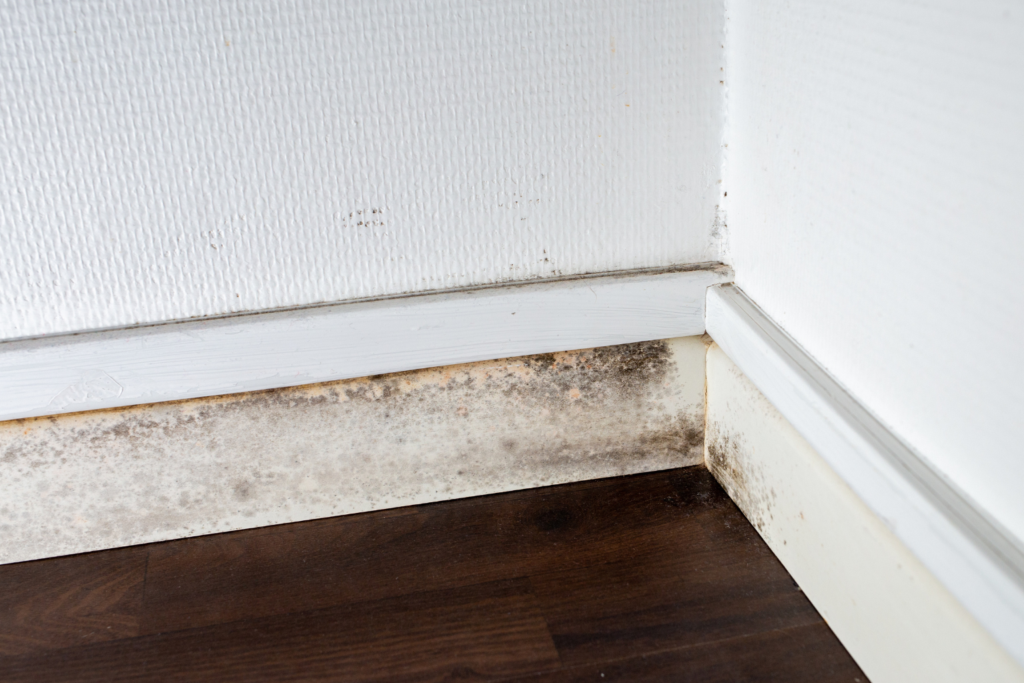
In single-story slab-on-grade homes common throughout the OKC metro, water doesn’t stay contained in the room where the pipe burst. It moves horizontally under vinyl plank flooring, laminate, and tile assemblies. While the top of your luxury vinyl tile might wipe dry within twenty minutes, water often remains trapped in the vapor barrier and underlayment beneath it, creating a closed environment where mold can begin to germinate.
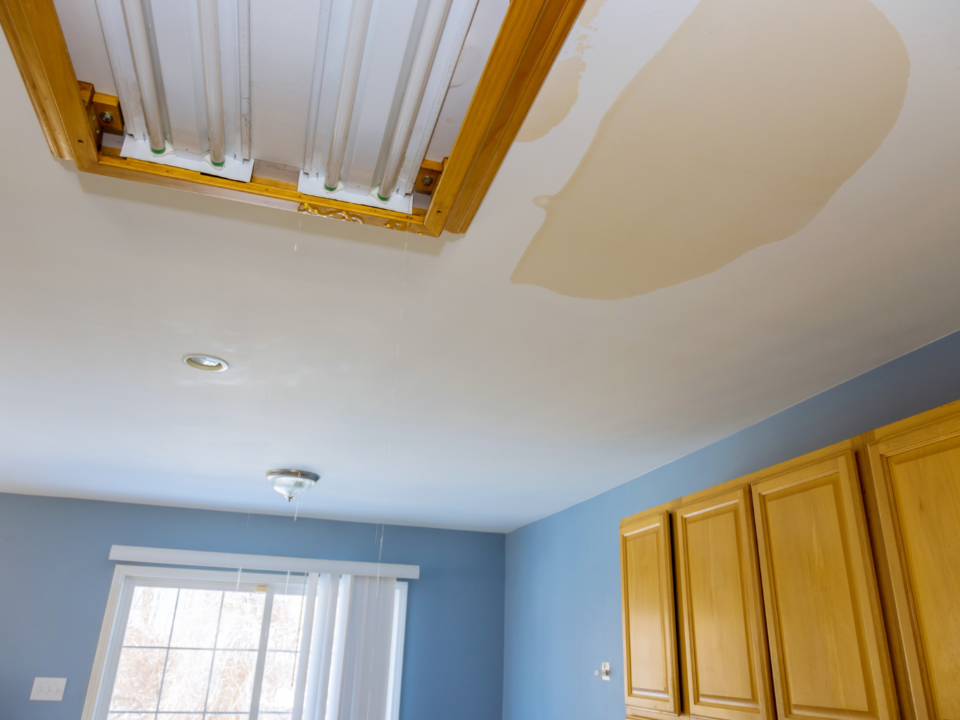
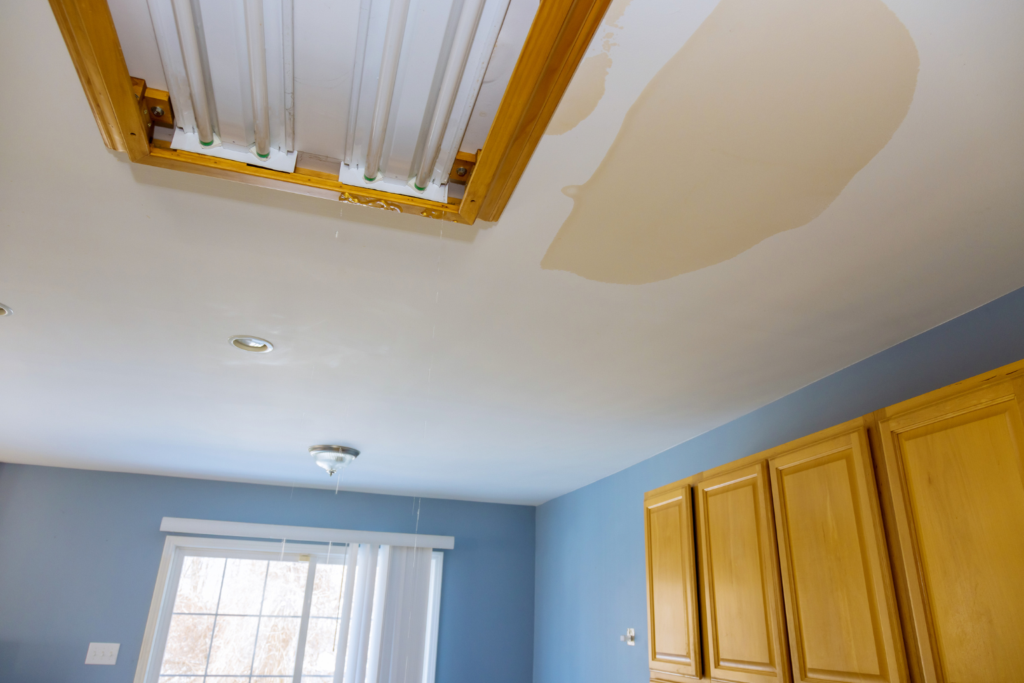
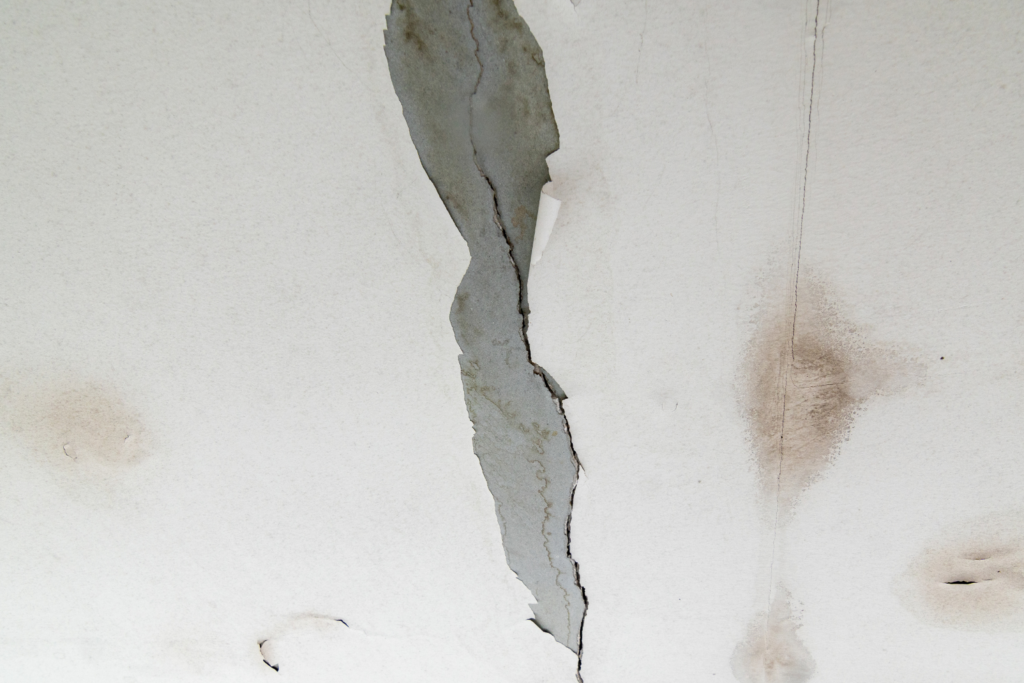
In two-story homes, a bathroom plumbing break upstairs can quickly trace joist bays down into the ground-floor ceiling drywall. Carpet often acts like a massive sponge. At the same time, the upper fibers may feel merely damp to the touch, but the dense bonded polyurethane pad beneath holds gallons of saturated liquid against the structural subfloor.
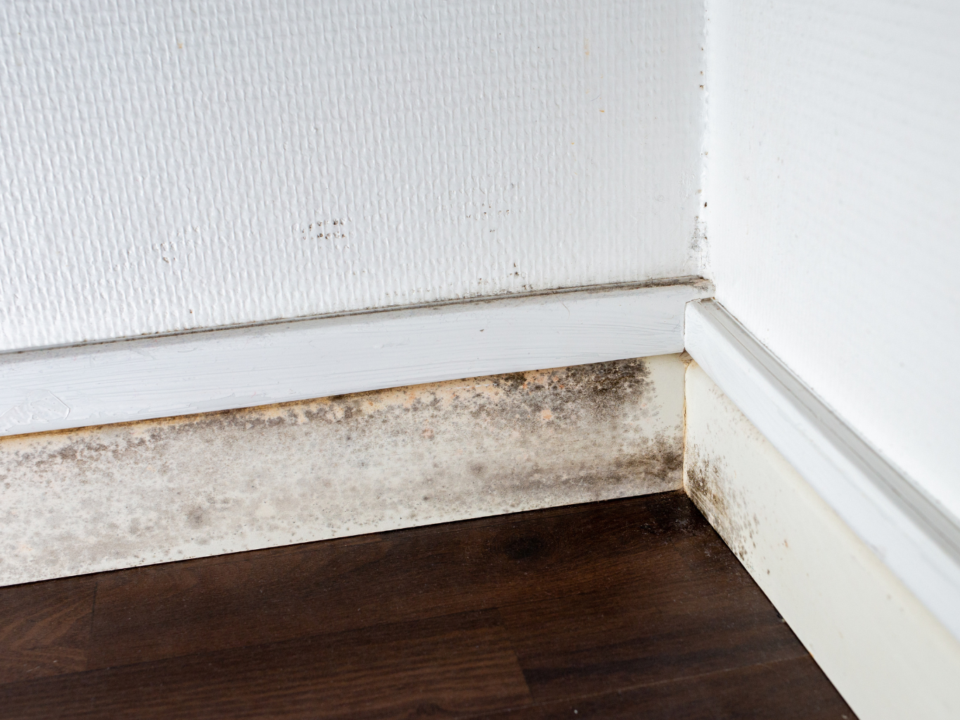
According to the EPA mold and moisture guide, controlling indoor dampness within 24 to 48 hours is critical to prevent mold spores from colonizing wet organic materials. Leaving water trapped inside sealed wall cavities or under carpet padding invites secondary damage that quickly outpaces the initial plumbing problem.
Protecting Personal Belongings
Taking fast action protects furniture and personal keepsakes from absorbing moisture through their bases:
- Elevate wooden furniture: Raw wood legs absorb moisture from damp carpet fibers through capillary action, causing wood to swell, split, and bleed dark stain onto surrounding materials. If you cannot move the pieces out of the room, slip foil or plastic wrap beneath furniture feet.
- Isolate porous paper items: Move cardboard boxes, books, tax records, and family albums into a completely dry room immediately. Wet paper loses structural integrity quickly and becomes an ideal food source for mold.
- Avoid stacking wet textiles: Lay damp rugs or bedding out separately in a dry garage or patio rather than piling them together, which traps heat and moisture and accelerates color bleeding.
Measured Structural Drying Versus Guesswork
Homeowners frequently ask if placing a few box fans around the room is enough to dry out the home. While standard household fans move air across surface materials, they lack the static pressure needed to pull deeply bound water out of structural wall framing and subfloors.
Effective restoration relies on balanced psychrometrics: high-velocity air movers promote surface evaporation, while commercial dehumidifiers actively pull water vapor from the air so materials can keep releasing moisture.
Our team uses calibrated pin meters and non-invasive moisture detectors to track how far water traveled behind drywall, baseboards, and cabinetry. Structural drying equipment remains in place until daily readings confirm that studs, plates, and subfloors have returned to verified baseline dry standards. Putting up new trim or repainting before verifying those readings risks sealing lingering dampness into the structure.
When an indoor plumbing break floods your home or business, prompt stabilization preserves building materials and prevents costly secondary damage. For dedicated help with comprehensive water damage restoration that Oklahoma City property owners trust, call our local crew at 405-225-2024. You can also view our local service coverage on our Google Business Profile to see how BISON Restoration Services supports property owners throughout Oklahoma City, Edmond, Moore, Norman, Shawnee, and Yukon.