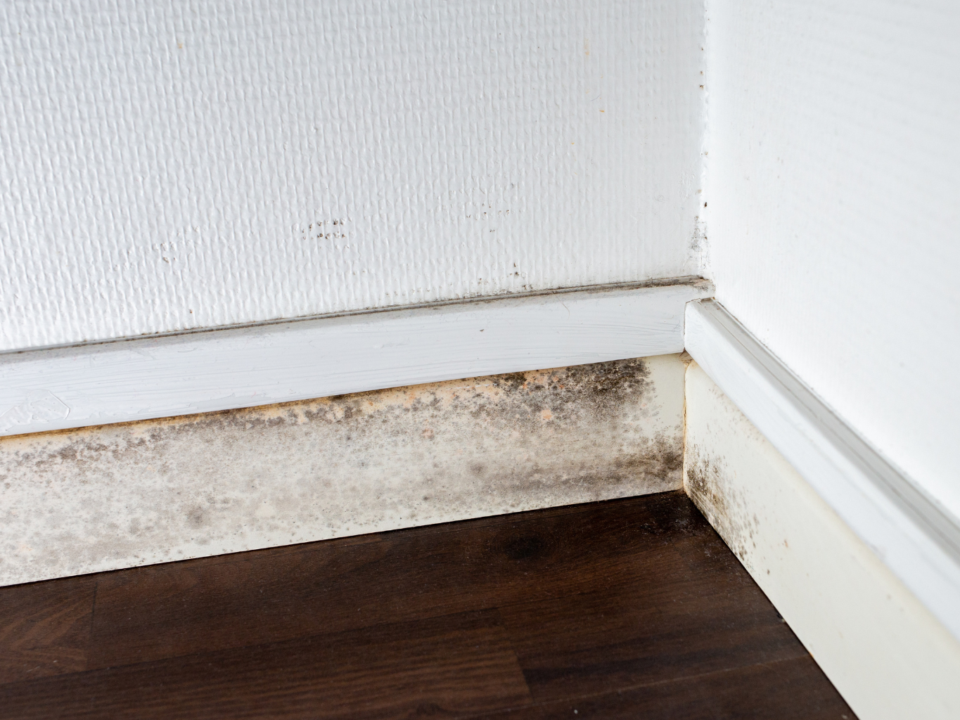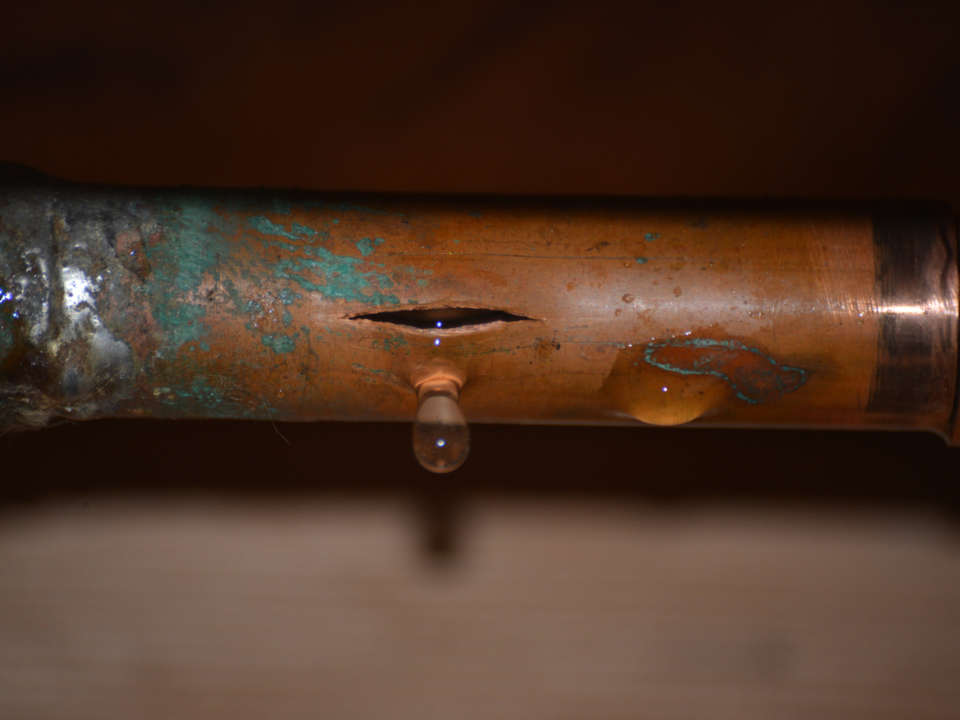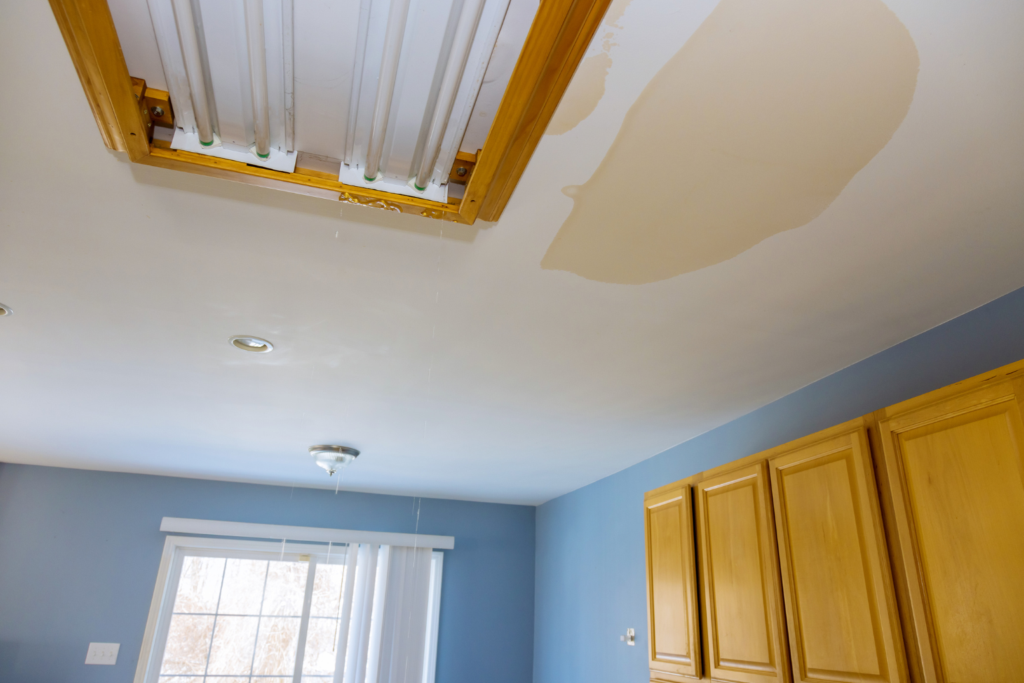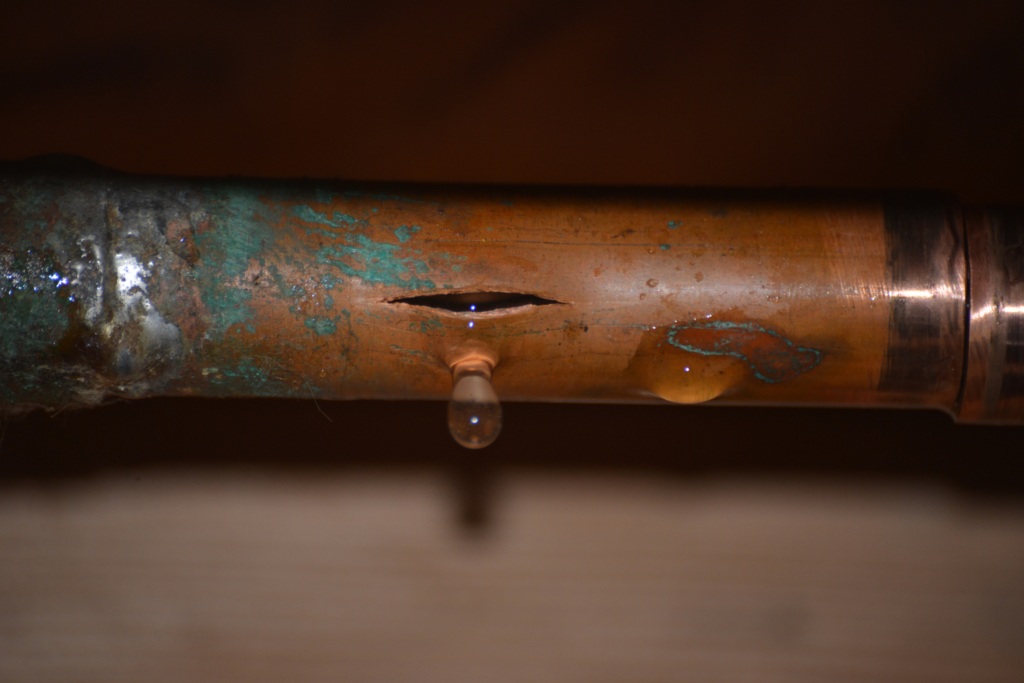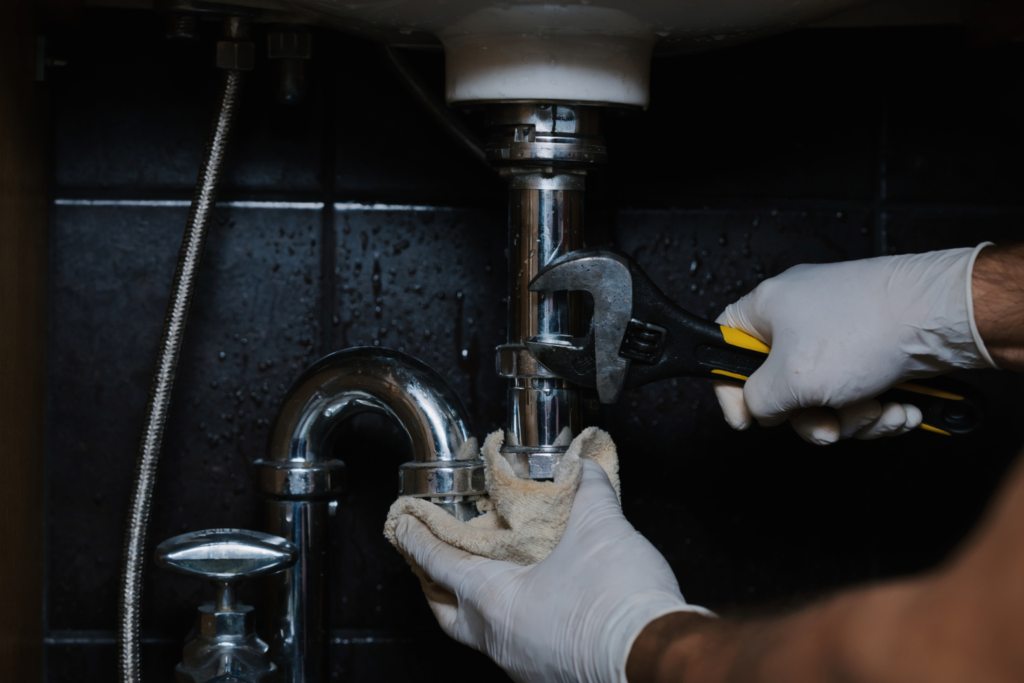
It often starts with the sound of running water, even though no faucet is on. When a main line breaks under a bathroom vanity in an Oklahoma City home, gallons of water can flood the hallway floors and seep through the subfloor into rooms below. In just a few hours, the water soaks into the subfloor plywood, baseboards, and ceiling drywall.
In Oklahoma City, Edmond, and Moore, sudden plumbing problems can cause serious structural damage if you don’t respond quickly with powerful water removal and drying equipment.
Mechanics of Water Spread in Central Oklahoma Construction
Residential construction across Oklahoma County features framing materials that absorb water rapidly. When liquid escapes a ruptured line, it finds every seam and utility chase in the building assembly:
- Subfloor plywood edges can swell and bend, loosening hardwood floor fasteners and causing tile grout to lift.
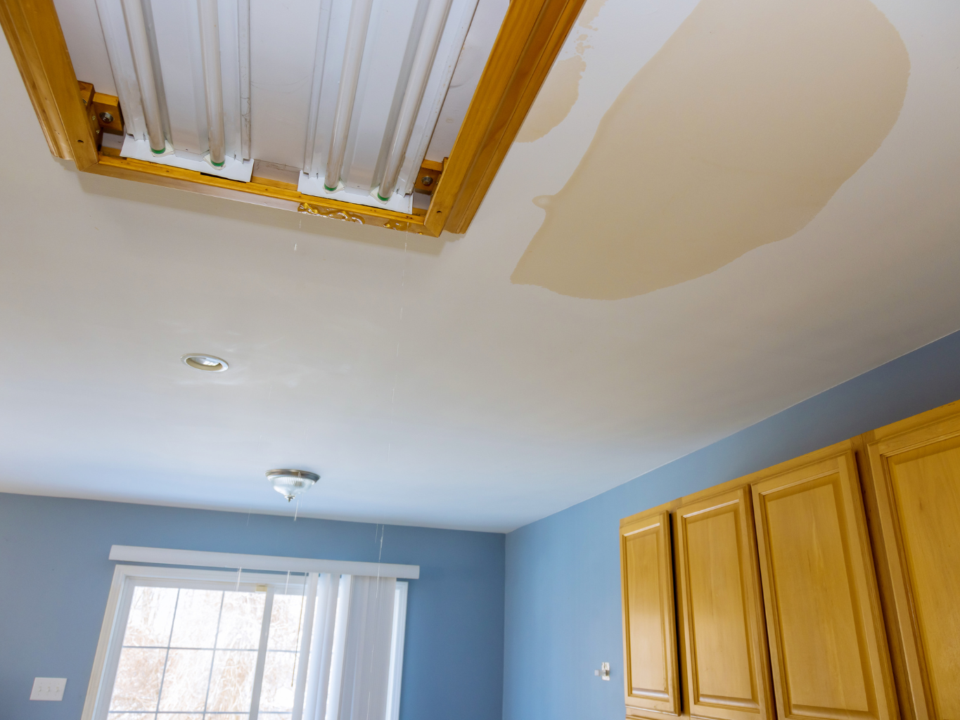
- Ceiling drywall on lower floors absorbs water from above, starts to sag, and can even collapse if the weight becomes too much.
- Wall studs pull moisture upward, trapping dampness in closed spaces where air cannot move freely.
- Insulation in floor spaces can hold water like a sponge, which keeps the wood structure from drying out on its own.
When water starts dripping through ceiling fixtures in places like Norman or Yukon, it usually means the main framing has already soaked up moisture on several floors.
Applied Psychrometric Drying and Structural Moisture Extraction
Using shop vacuums to remove standing water only addresses a small part of the problem. To fully dry out a home, experts use special drying methods that control temperature, humidity, and airflow to pull water out of thick wood framing.
When checking for water damage, technicians use moisture meters and thermal cameras to find hidden wet spots behind tile, drywall, and subfloors. After they know where the moisture is, they use strong dehumidifiers and air movers to pull water vapor out of the wood structure.
Opening windows to dry out a soaked home during Oklahoma’s humid weather can slow drying and increase the risk of wood rot.
Continuous Moisture Logging and Structural Verification
Drying out wood in a building requires careful scientific tracking, not just visual inspection. Certified technicians measure and record moisture levels in subfloors, wall plates, and joists during drying.
Experts track humidity and dew point readings to ensure moisture evaporates steadily. They also check floors and framing against dry standards to prevent rot or hidden mold.
To learn more about how local emergency teams handle water damage, visit our Oklahoma City water damage restoration website.
Protecting Your Living Environment
Every home responds differently to sudden plumbing problems. If you act fast when you notice sagging ceilings or floors starting to cup, you can help save your home’s original materials and protect its value.
If you think hidden moisture may be behind your walls or under your kitchen floor, contact BISON Restoration Services. Call our disaster response team at 405-225-2024 to set up a full moisture inspection.